Do Phone Repair Shops Go Through Your Phone? What Really Happens Behind the Counter
Share
Handing over your phone for repair can feel surprisingly personal. Your device holds photos, messages, work emails, banking apps, and pieces of your daily life. So it’s natural to pause and wonder: do phone repair shops go through your phone? And more importantly, can phone repair shops steal your data without a password?
These questions come up every day at professional repair counters, and they deserve clear, honest answers—especially in an era where digital privacy matters as much as physical security.
Let’s walk through what actually happens during a legitimate phone repair, what ethical repair shops can and cannot access, and how reputable local technicians protect your privacy.
Why This Concern Is So Common (and Completely Reasonable)
Modern smartphones aren’t just communication tools. They’re personal archives. When something breaks—a cracked screen, battery issue, charging port failure—you’re not just handing over a device. You’re handing over access to your digital life.
Many people imagine technicians scrolling through photos, reading messages, or digging into apps. In reality, professional repair work looks very different from that fear.
Understanding the process removes anxiety—and helps you choose the right repair shop.
Do Phone Repair Shops Go Through Your Phone?
The short answer is no—professional phone repair shops do not go through your phone.
Legitimate technicians have no reason, incentive, or time to access personal content. Their focus is hardware functionality, not data.
In most repairs, the phone is either:
- Locked the entire time
- Powered off
- In recovery or diagnostic mode
- Tested only for basic functionality like touch response, charging, or signal
Technicians are trained to work around customer privacy, not through it.
Reputable shops operate under clear ethical standards. Accessing personal files without consent isn’t just unprofessional—it’s a violation of trust and, in many regions, a legal risk.
When Might a Technician Need Limited Access?
There are a few situations where minimal access may be requested—but always with your permission.
For example, after a screen replacement, a technician may ask you to unlock the phone briefly so they can:
- Test touch sensitivity
- Confirm the display responds properly
- Check front camera alignment
In these cases, you are present, and the technician isn’t navigating your apps or files. The phone is returned immediately after testing.
If a shop ever asks for your password without explanation, that’s a red flag.
Can Phone Repair Shops Steal Your Data Without a Password?
This is where fear often outweighs reality.
For modern smartphones—especially iPhones and newer Android devices—the answer is no in normal circumstances.
Today’s devices use:
- Full-disk encryption
- Secure Enclave or Trusted Execution Environments
- App-level biometric and password protection
Without your passcode, technicians cannot access photos, messages, apps, or stored credentials.
Even advanced data extraction tools require either:
- The device to be unlocked
- User authentication
- Law-enforcement-grade authorization
Your average repair shop simply doesn’t have access to this—and wouldn’t use it even if they did.
What Ethical Repair Shops Actually Care About
Professional phone repair businesses survive on reputation. One privacy violation can permanently damage trust within a local community.
That’s why established repair shops focus on:
- Transparent repair processes
- Clear communication
- Customer consent at every step
- Strict internal policies around data access
Technicians are trained to treat customer devices the same way they’d want their own handled.
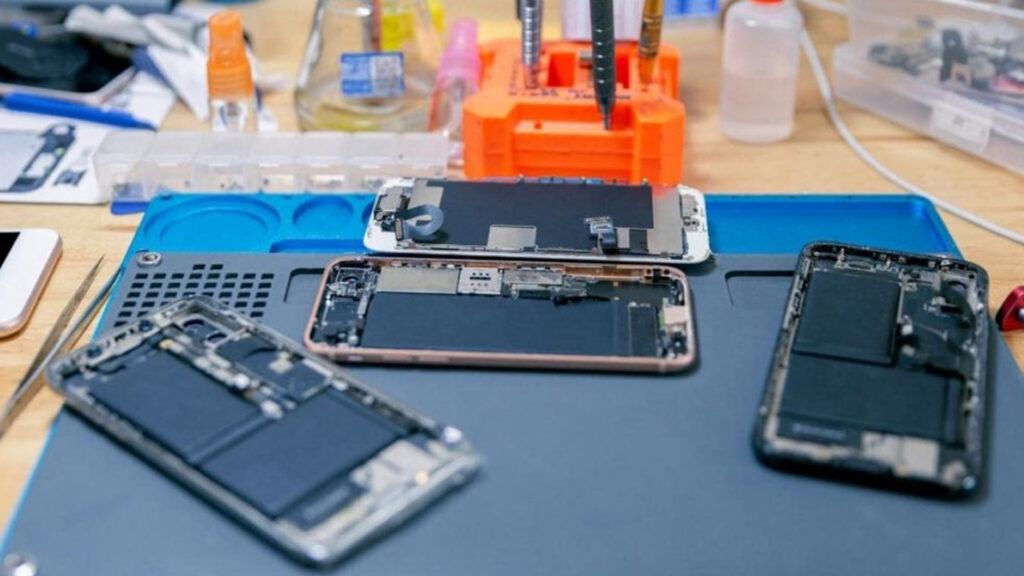
In trusted local shops, phones are logged, tracked, repaired, tested, and returned—without unnecessary handling.
Red Flags to Watch Out For
While most repair shops are honest, it’s still smart to be informed.
Be cautious if a shop:
- Demands your password without explaining why
- Insists on accessing your phone privately
- Avoids answering questions about data safety
- Has no local presence, reviews, or accountability
Trustworthy repair businesses welcome privacy questions. They expect them.
How Reputable Local Repair Shops Protect Your Privacy
At established phone repair locations, privacy protection is part of the process—not an afterthought.
That typically includes:
- Repairs performed while the phone remains locked
- Customer-present testing when unlocking is required
- No copying, backing up, or transferring data
- Secure workstations with limited device access
- Clear accountability for every device handled
Local shops rely on repeat customers and word-of-mouth. Respecting privacy isn’t optional—it’s foundational.
What You Can Do Before Any Phone Repair
Even though professional shops don’t go through your phone, a few simple steps can give you extra peace of mind.
Backing up your data ensures nothing is lost. Logging out of sensitive apps adds another layer of security. And if you prefer, you can always stay present during testing.
Most technicians are happy to explain what they’re doing—and why.
Why Local Trust Matters More Than Big Promises
One advantage of choosing a reputable local repair shop is accountability. You know where they are. You can read real reviews. You can speak directly to a technician—not a call center.
Local repair professionals build their businesses one customer at a time. That trust extends beyond fixing screens or batteries—it includes protecting what’s inside your device.
At King Wireless & Phone Repair in Humble, TX, Muhammad Adeel leads a certified team with over ten years of experience in smartphone repair. The team expertly handles all major brands and models, prioritizing precise service, customer privacy, and data security.
Final Answer: Should You Be Worried?
If you’re working with a professional, established phone repair shop, you should not worry about technicians going through your phone or stealing your data without a password.
Modern device security, ethical repair standards, and local accountability make privacy violations extremely unlikely.
The key is choosing the right repair shop—one that values transparency, professionalism, and long-term trust.
When those elements are in place, phone repair doesn’t mean sacrificing privacy. It simply means getting your device back in working order—safely.

Muhammad Adeel
Adeel is the owner and lead technician at King Wireless & Phone Repair in Humble, TX. With over 10 years of hands-on repair experience, he specializes in phone, laptop, motherboard, gaming console, and smartwatch repairs. Read More